












ChatGPT users’ data exposed in OpenAI breach via Mixpanel partner
2025-12-12 17:00:38
newYou can now listen to Fox News articles!
ChatGPT went from novelty to necessity in less than two years. It’s now part of how we work, learn, write, program, and research. OpenAI said the service has nearly 800 million weekly active users, putting it in the same weight class as the world’s largest consumer platforms.
When a tool becomes central to your daily life, you assume that the people running it can keep your data safe. That trust took a hit recently after OpenAI confirmed that personal information associated with its API accounts had been exposed in a breach involving one of its third-party partners.
Sign up for my free CyberGuy report
Get the best tech tips, breaking security alerts, and exclusive deals delivered straight to your inbox. Plus, you’ll get instant access to my Ultimate Scam Survival Guide – for free when you join my site CYBERGUY.COM Newsletter.

The hack highlights how trusted analytics partners can expose sensitive account details. (Kurt “CyberGuy” Knutson)
What you need to know about ChatGPT hack
OpenAI’s email notification places the breach squarely at Mixpanel, a major analytics provider the company uses in its API platform. The email confirms that OpenAI’s own systems were not hacked. No chat logs, billing information, passwords, or API keys are exposed. Instead, the stolen data came from the Mixpanel environment and included names, email addresses, and Organization identifiersand approximate location and technical metadata from user browsers.
Fake chat apps hijack your phone without your knowledge
This seems harmless on the surface. The email calls this “limited” analytical data, but the label sounds more like PR hype than anything else. For attackers, this type of metadata is gold. The collection of data that reveals who you are, where you work, what device you use, and how your account is structured gives threat actors everything they need to run targeted phishing and impersonation campaigns.
The biggest red flag is exposing organization identifiers. Anyone who relies on the OpenAI API knows how sensitive these identifiers are. They are at the heart of internal billing, usage limits, account hierarchies, and workflow support. If an attacker quotes your organization ID during a fake billing alert or support request, it suddenly becomes much more difficult to dismiss the message as a scam.
OpenAI’s reconstructed timeline raises bigger questions. Discover Mixpanel for the first time A Phishing attack On November 8th. The attackers accessed internal systems the next day and exported OpenAI data. This data was missing for more than two weeks before Mixpanel notified OpenAI on November 25. Only then did OpenAI alert everyone. It’s a long and worrying period of silence, and it has left API users vulnerable to targeted attacks without even knowing they were at risk. OpenAI says it shut down Mixpanel the next day.
The extent of the danger and the political problem behind it
Timing and volume are important here. ChatGPT is at the center of the generative AI boom. It’s not just consumer traffic. Contains sensitive conversations from developers, employees, startups, and enterprises. Although the breach affected API accounts rather than consumer chat history, the exposure still highlights a broader problem. When a platform reaches nearly a billion users weekly, any rift becomes a nationwide problem.
Regulators have warned of exactly this scenario. Vendor security is one of the weak links in modern technology policy. Data protection laws tend to focus on what a company does with the information you give it. They rarely provide strong guardrails around the entire chain of third-party services processing this data along the way. Mixpanel is not an obscure player. It is a widely used analytics platform trusted by thousands of companies. However, you lost a data set that no attacker should have been able to access.
Companies should treat analytics providers the same way they treat their underlying infrastructure. If you can’t guarantee that your vendors are following the same security standards as you, you shouldn’t be collecting data in the first place. For an influential platform like ChatGPT, the responsibility is even greater. People don’t fully understand how many invisible services exist behind a single AI query. They trust the brand they interact with, not the long list of partners behind it.
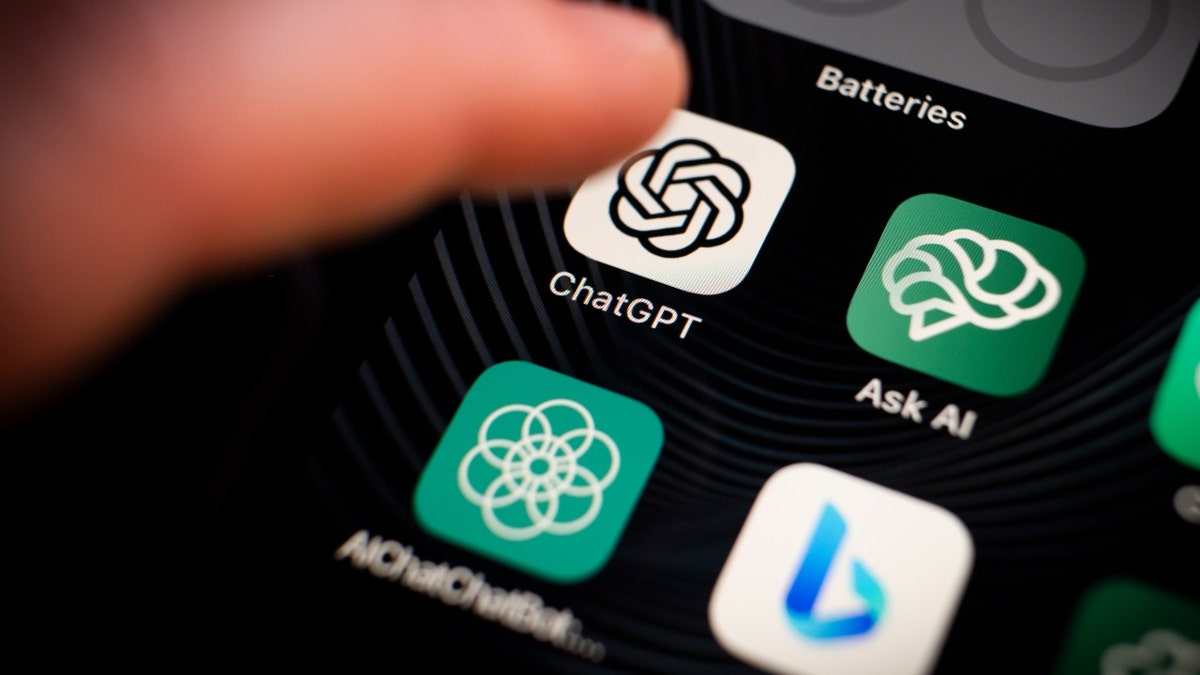
Attackers can use leaked metadata to craft convincing phishing emails that appear legitimate. (Jaap Arens/Noor Photo via Getty Images)
8 steps you can take to stay safer when using AI tools
If you rely on AI tools every day, it pays to tighten up your personal security before your data ends up on someone else’s analytics dashboard. You can’t control how each vendor handles your information, but you can make it harder for attackers to target you.
1) Use strong and unique passwords
Treat every AI account as if it holds something of value because it holds something of value. Long, unique passwords stored in a trusted password manager minimize the repercussions if one platform is compromised. This also protects you from credential stuffing, where attackers try to use the same password across multiple services.
Next, see if Your email Revealed in past violations. Our #1 choice of password manager (see Cyberguy.com/Passwords) includes a built-in penetration scanner that checks if your email address or passwords have appeared in known leaks. If you discover a match, immediately change any reused passwords and secure those accounts with new, unique credentials.
Check out the best expert-reviewed password managers of 2025 at Cyberguy.com.
2) Turn on phishing-resistant two-factor authentication
AI platforms are becoming prime targets, so they rely on stronger two-factor authentication. Use an authentication app or device security key. SMS codes can be intercepted or redirected, making them unreliable during large-scale phishing campaigns.
3) Use powerful antivirus software
Another important step you can take to protect yourself from phishing attacks is to install robust antivirus software on your devices. This can also alert you to phishing emails and ransomware, helping you keep your personal information and digital assets safe.
The best way to protect yourself from malicious links that install malware, and potentially access your private information, is to install strong antivirus software on all your devices. This protection can also alert you to phishing emails and ransomware, keeping your personal information and digital assets safe.
Get my picks for the best antivirus protection winners of 2025 for Windows, Mac, Android, and iOS at Cyberguy.com.
4) Limit the personal or sensitive data you share
Think twice before pasting Private conversationsOr company documents, medical notes, or addresses in the chat window. Many AI tools store recent history of model improvements unless you opt out, and some route the data through third-party vendors. Anything you glue can live longer than you expect.
5) Use a data removal service to reduce your online footprint
Attackers often combine leaked metadata with information they pull from people search sites and old listings. A good data removal service will scan the web for exposed personal details and send removal requests on your behalf. Some Services also allow you to send personalized links for takedowns. Cleaning up these traces makes it difficult to carry out targeted phishing and impersonation attacks.
While no service can guarantee complete removal of your data from the Internet, a data removal service is truly a smart choice. It’s not cheap, and neither is your privacy. These services do all the work for you by systematically monitoring and scraping your personal information from hundreds of websites. This gives me peace of mind and has proven to be the most effective way to clear your personal data from the Internet. By limiting the information available, you can reduce the risk of cross-referencing to scammers Data from violations with information They may find it on the dark web, making it harder for them to target you.
Check out my top picks for data removal services and get a free check to see if your personal information really exists on the web by visiting Cyberguy.com.
Get a free check to see if your personal information is already on the web: Cyberguy.com.
6) Treat unexpected support messages with suspicion
Attackers know that users panic when they hear about API limits, billing failures, or account verification issues. If you receive an email claiming to be from an AI provider, do not click the link. Open the website manually or use the official app to confirm the validity of the alert.
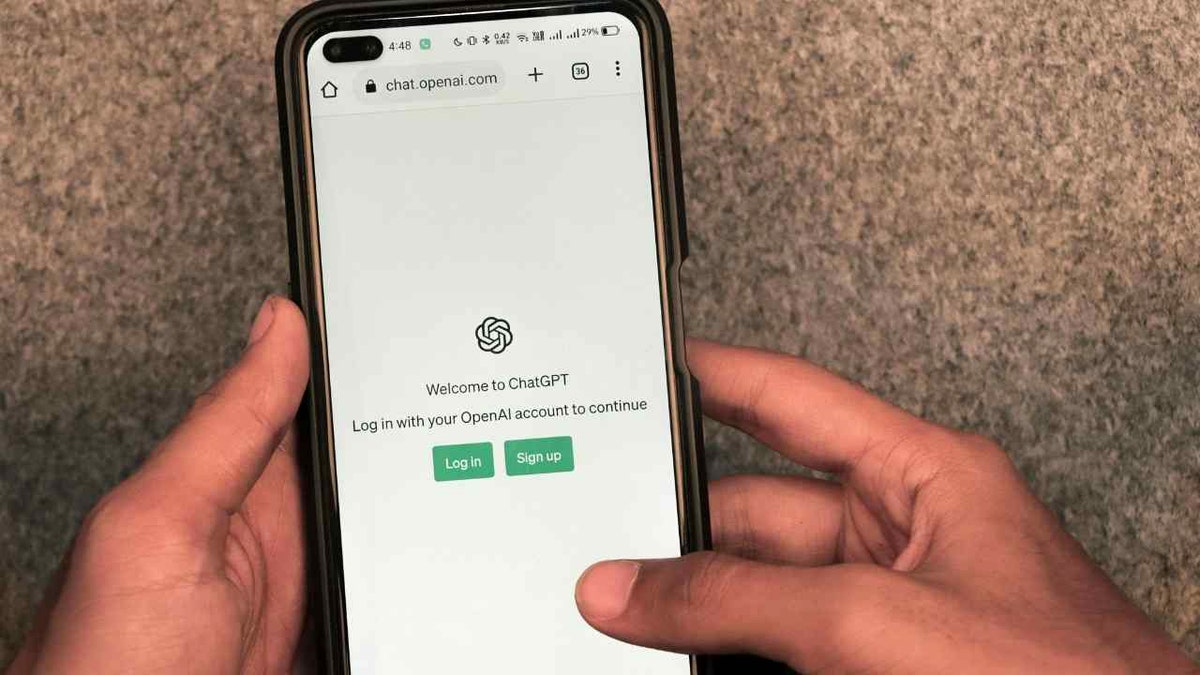
Incidents like this show how important it is more than ever to strengthen your personal security habits. (Kurt “CyberGuy” Knutson)
7) Keep your hardware and software up to date
Many attacks succeed because devices are running outdated operating systems or browsers. Regular updates close vulnerabilities that can be used to steal session tokens, capture keystrokes, or hijack login flows. Updates are tedious, but they prevent a surprising amount of hassle.
8) Delete accounts you no longer need
Old accounts exist with old passwords and old data, and they become easy targets. If you no longer actively use a particular AI tool, delete it from your account list and remove any saved information. It reduces your exposure and limits the number of databases containing your details.
Key takeaway for Kurt
This hack may not have affected chat histories or payment details, but it shows just how fragile the broader AI ecosystem is. Your data is only as secure as the least secure partner in the chain. With ChatGPT now approaching 1 billion weekly users, the chain needs stricter rules, better moderation, and fewer blind spots. This should serve as a reminder that the rush to adopt AI needs stronger political barriers. Businesses can’t hide behind transparent emails after the fact. They need to prove that the tools you rely on every day are safe at every layer, including the ones you never see.
Do you trust AI platforms with your personal information? Let us know by writing to us at Cyberguy.com.
Click here to download the FOX NEWS app
Sign up for my free CyberGuy report
Get the best tech tips, breaking security alerts, and exclusive deals delivered straight to your inbox. Plus, you’ll get instant access to my Ultimate Scam Survival Guide – for free when you join my site CYBERGUY.COM Newsletter.
Copyright 2025 CyberGuy.com. All rights reserved.
https://static.foxnews.com/foxnews.com/content/uploads/2025/12/concerned-woman-working-at-laptop-computer.jpg















إرسال التعليق